 简体中文
简体中文 繁體中文
繁體中文 English
 한국 사람
한국 사람 日本語
日本語 Deutsch
 русский
 بالعربية
 TÜRKÇE
 português
 คนไทย
คนไทย french

Modified PS vs. Acrylic Sheet: Which Is Better for LED Channel Letters and Advertising Signage?
In the modern advertising and signage industry, selecting the right material directly determines the appearance, quality, structural durability, and manufacturing efficiency of the final product.
For decades, Acrylic (PMMA) has been a traditional choice for high-end signage. However, with recent advancements in polymer technology, Modified Polystyrene (Modified PS / HIPS) has emerged as a high-performance, cost-effective alternative that is rapidly reshaping the sign manufacturing landscape.
When it comes to manufacturing LED channel letters, illuminated signs, and lightboxes, what are the key differences between Modified PS and Acrylic? Below is a detailed technical comparison based on real-world performance.
Quick Comparison Table
Feature | Modified Polystyrene (Modified PS) | Acrylic Sheet (PMMA) |
Impact Resistance & Toughness | Superior (High impact strength, shatter-resistant) | Moderate (Brittle, prone to cracking under strain) |
High-Temperature Performance | Excellent (Stays flat, no wavy distortion) | Poor (Prone to heat deformation & surface waves) |
UV & Oxidation Resistance | Excellent (Enhanced anti-UV, anti-yellowing) | Moderate (Fades and turns yellow rapidly in heat/sun) |
Light Transmission | Equal to Acrylic (Uniform diffusion, bright glow) | Excellent (High clarity, but higher material cost) |
Processing & Transport Cost | Low (Easy to cut/form, minimal transit breakage) | High (High failure rate during shipping/machining) |
4 Core Performance Advantages of Modified PS over Acrylic
1. Superior Impact Resistance and Toughness
Acrylic Disadvantage: Standard acrylic sheets are inherently stiff and brittle. During CNC engraving, drilling, or transportation, localized stress often causes micro-cracks or full breakage. Furthermore, extreme weather like hail or heavy wind can easily shatter acrylic signs.
Modified PS Advantage: Modified PS incorporates a rubber-grafted phase that significantly enhances its tensile toughness and impact strength. Its impact resistance is far superior to acrylic. This extreme toughness virtually eliminates cracking during cutting, fabrication, shipping, and installation, drastically lowering scrap rates and warranty costs.
2. Excellent UV and Oxidation Resistance (No Rapid Yellowing)
Acrylic Disadvantage: When exposed to long-term direct sunlight and outdoor heat, acrylic tends to suffer from molecular degradation. This causes rapid fading, yellowing, and surface crazing over time, diminishing the brand’s visual image.
Modified PS Advantage: Specially formulated with advanced UV stabilizers and anti-oxidation additives, Modified PS sheets maintain excellent color stability under severe outdoor conditions. It effectively blocks UV degradation, delaying yellowing and aging for years.
3. Superior High-Temperature Stability (No Heat Waves)
Acrylic Disadvantage: During hot summer months or intense sunlight exposure, acrylic sheets frequently experience thermal expansion and internal stress release. This causes unsightly "wavy distortions" (surface rippling) on large flat lightboxes and letter faces.
Modified PS Advantage: Modified PS exhibits exceptional thermal stability and surface flatness. Even under high temperatures, the material maintains a crisp, mirror-flat profile without developing wave patterns, ensuring a sleek and professional look all year round.
4. Uncompromised Light Transmission
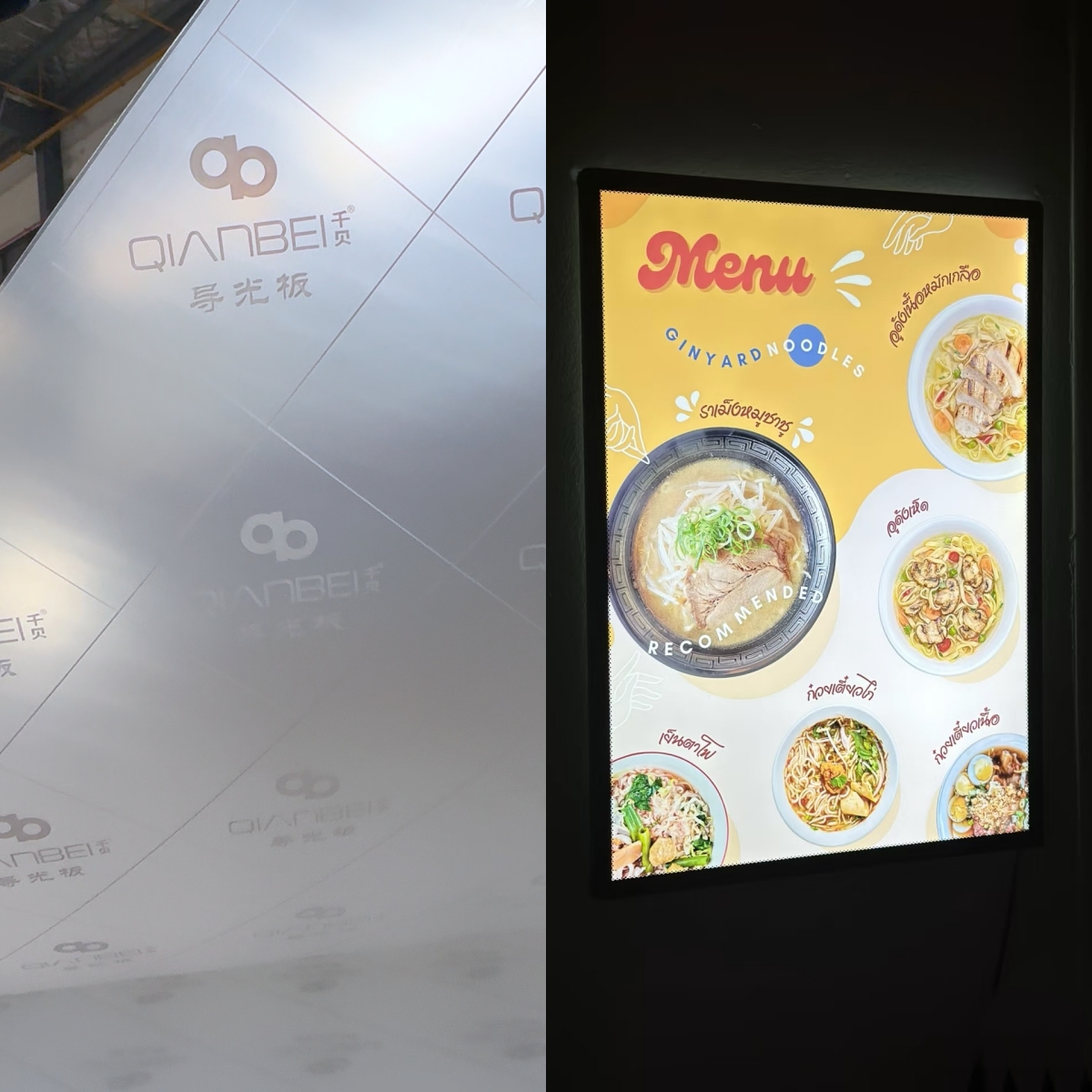
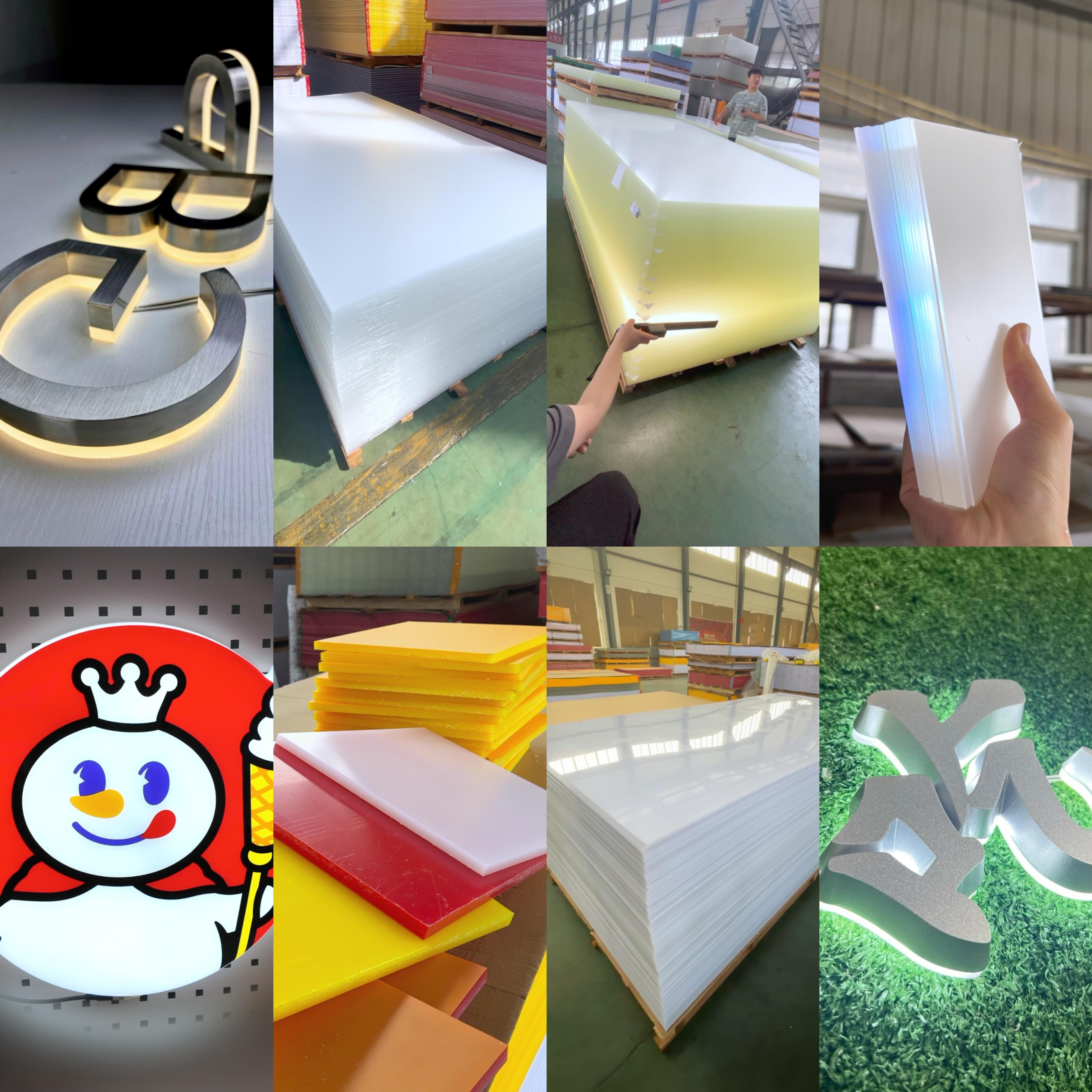
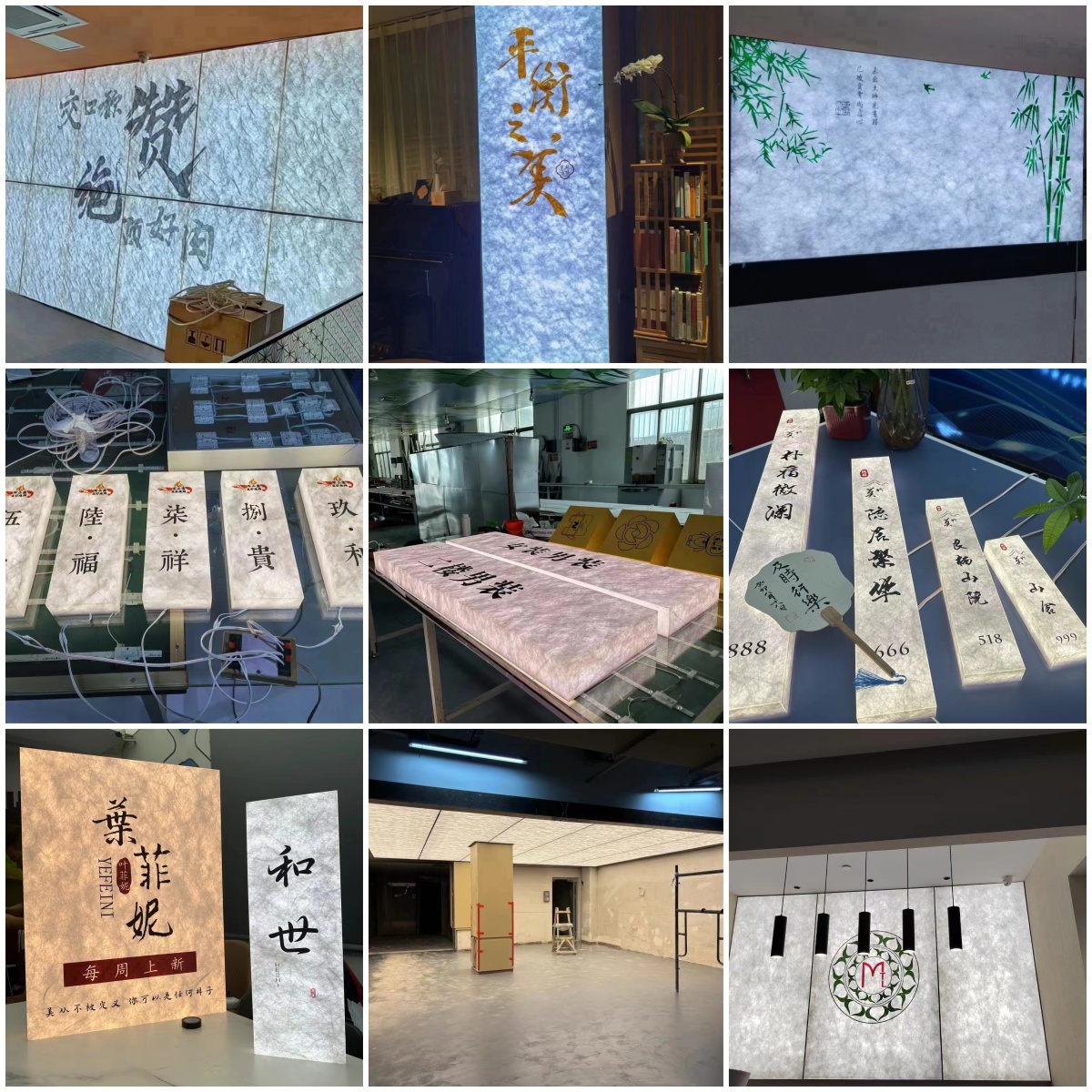
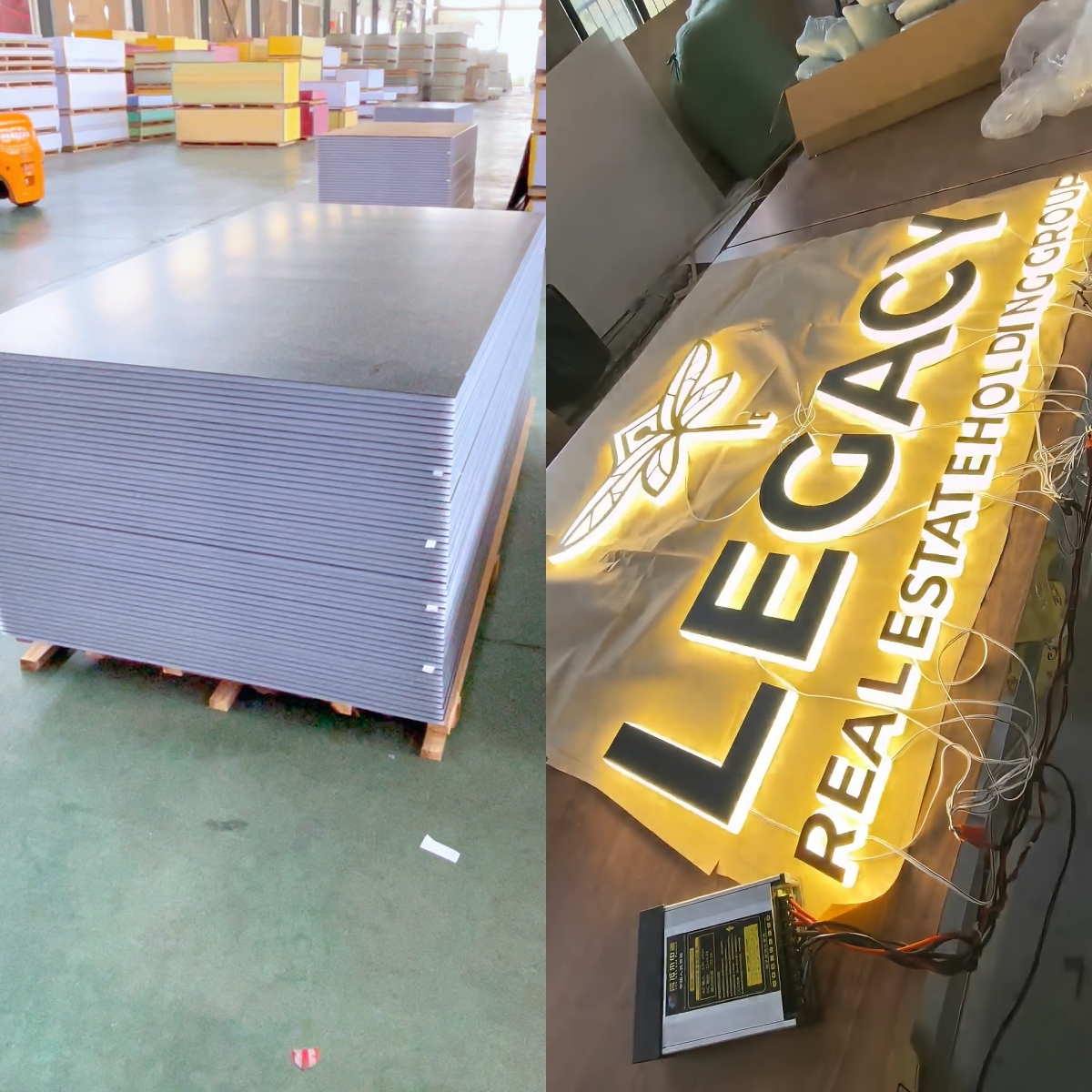
Performance Parity: A common myth is that polystyrene offers inferior lighting effects compared to acrylic. However, optical tests prove that in LED channel letter faces and light-diffusing panels, Modified PS provides light transmission and light diffusion quality that is virtually identical to acrylic.
Illumination Effect: Modified PS evenly diffuses LED light source spots, producing a bright, soft, and shadow-free illumination that fully meets commercial advertising standards.
Why Modern Sign Manufacturers Are Switching to Modified PS
For sign manufacturers, advertising agencies, and global distributors, switching from acrylic to Modified PS yields clear operational advantages:
Substantial Cost Savings: Lower raw material costs combined with reduced breakage during transit and fabrication directly boost overall profitability.
Higher Production Efficiency: Easy to route, laser cut, drill, and vacuum form with less tool wear and faster cycle times.
Long-Term Outdoor Reliability: Shatterproof, wave-free, and resistant to severe weather, ensuring long-term customer satisfaction and fewer after-sales claims.
Conclusion
While acrylic still holds a place in niche display applications, Modified Polystyrene (Modified PS) has proven to be the superior choice for LED channel letters, thermoformed 3D letters, lightbox panels, and outdoor commercial signage.
Offering superior impact toughness, higher thermal stability with zero heat waves, long-lasting anti-yellowing performance, and equivalent light transmission, Modified PS delivers the perfect balance of premium performance and unmatched cost efficiency for today's advertising industry.