 简体中文
简体中文 繁體中文
繁體中文 English
 한국 사람
한국 사람 日本語
日本語 Deutsch
 русский
 بالعربية
 TÜRKÇE
 português
 คนไทย
คนไทย french

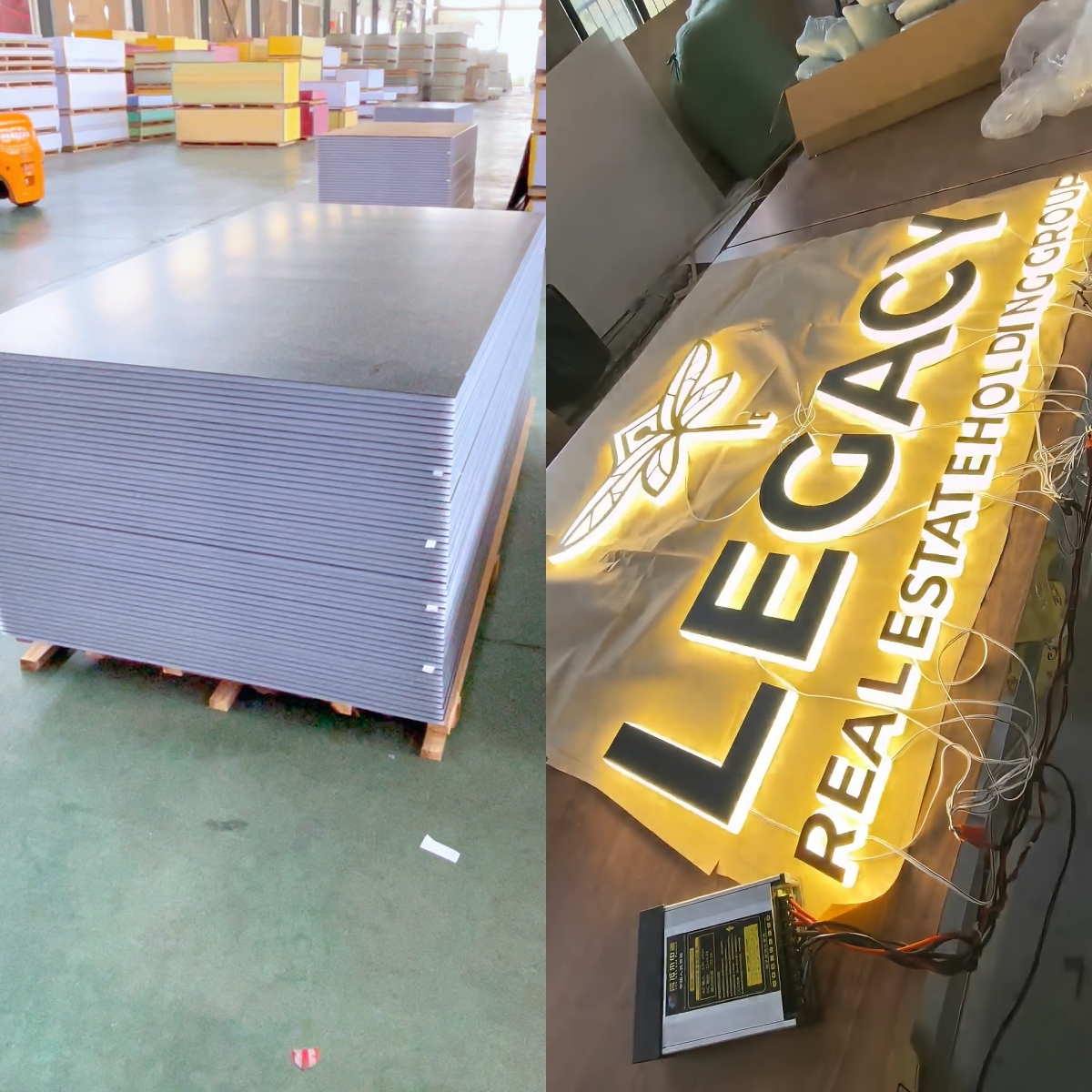
The advertising and signage industry demands plastic materials that are lightweight, durable, easy to process, and visually appealing. Among the most popular thermoplastic materials are General Purpose Polystyrene (GPPS) and High Impact Polystyrene (HIPS).
Both materials are widely used in LED channel letters, illuminated signs, advertising display boards, vacuum forming, POS displays, indoor signage, and decorative panels. Although they belong to the polystyrene family, they offer different mechanical properties and are suitable for different applications.
This guide explains everything buyers need to know about GPPS and HIPS sheets, helping distributors, advertising manufacturers, and sign fabricators choose the right material.
What is GPPS?
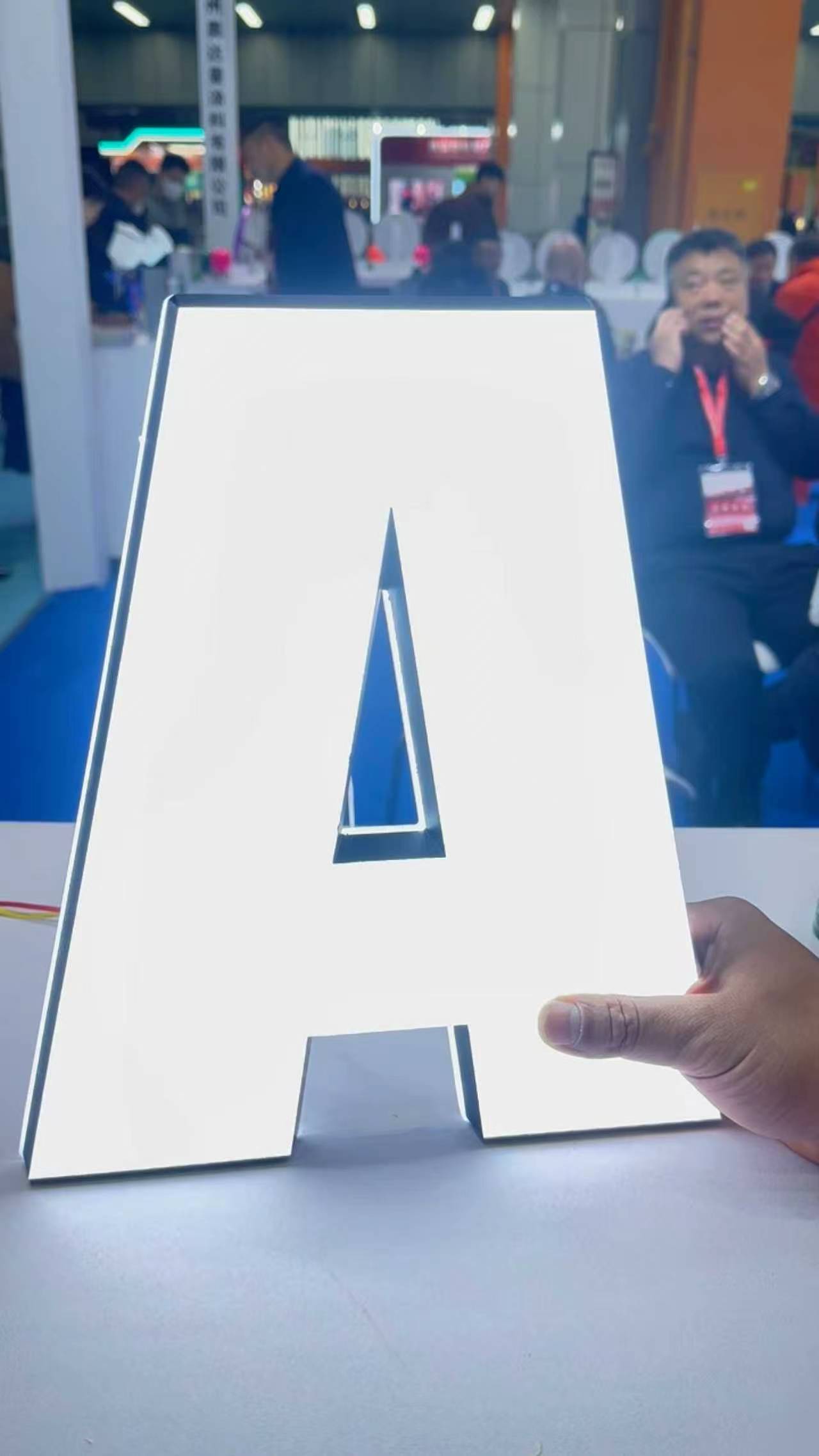
GPPS (General Purpose Polystyrene) is a transparent thermoplastic produced through the polymerization of styrene monomer.
It offers excellent optical clarity, high rigidity, and smooth surface quality, making it ideal for applications requiring transparency and an attractive appearance.
Key Features of GPPS
Excellent transparency (up to 90% light transmission)
High gloss surface
Lightweight
Easy to thermoform
Easy to CNC machine
Good dimensional stability
Excellent printing performance
Cost-effective
Recyclable
Because of its crystal-clear appearance, GPPS is frequently used as an alternative to acrylic in applications where extreme impact resistance is not required.
What is HIPS?
High Impact Polystyrene (HIPS) is a modified version of GPPS.
By adding rubber particles during production, manufacturers greatly improve impact resistance while maintaining excellent machinability.
HIPS is one of the most commonly used engineering plastics in the advertising industry.
Key Features of HIPS
Excellent impact resistance
Easy vacuum forming
Good rigidity
Smooth matte surface
Easy UV printing
Excellent screen printing performance
Lightweight
Easy laser cutting
Excellent bonding properties
Cost-effective
HIPS is ideal for products that require durability and long service life.
GPPS vs HIPS Comparison
| Property | GPPS | HIPS |
|---|---|---|
| Transparency | Excellent | Opaque |
| Surface Finish | High Gloss | Matte/Smooth |
| Impact Resistance | Moderate | Excellent |
| Rigidity | High | High |
| Weight | Light | Light |
| Vacuum Forming | Good | Excellent |
| Printing | Excellent | Excellent |
| CNC Processing | Easy | Easy |
| Laser Cutting | Good | Good |
| Weather Resistance | Indoor Preferred | Indoor & Semi-Outdoor |
| Cost | Lower | Slightly Higher |
Applications of GPPS Sheets
GPPS is commonly selected when optical clarity is important.
Typical applications include:
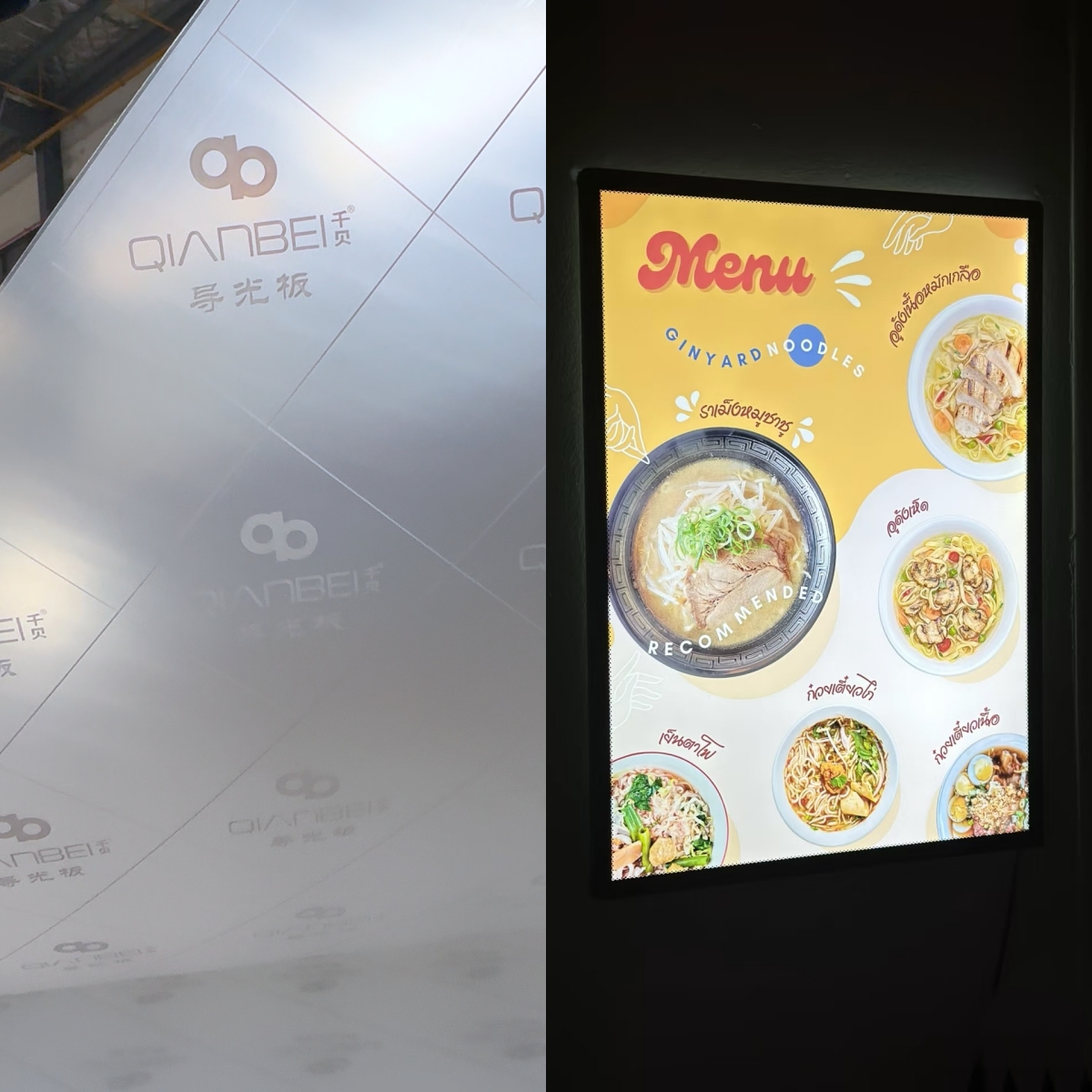
LED light diffusers
Advertising display panels
Transparent signboards
POP displays
Retail display stands
Exhibition showcases
Product packaging
Menu boards
Interior decoration
Protective covers
Applications of HIPS Sheets
HIPS has become one of the most popular materials for commercial advertising fabrication.
Common applications include:
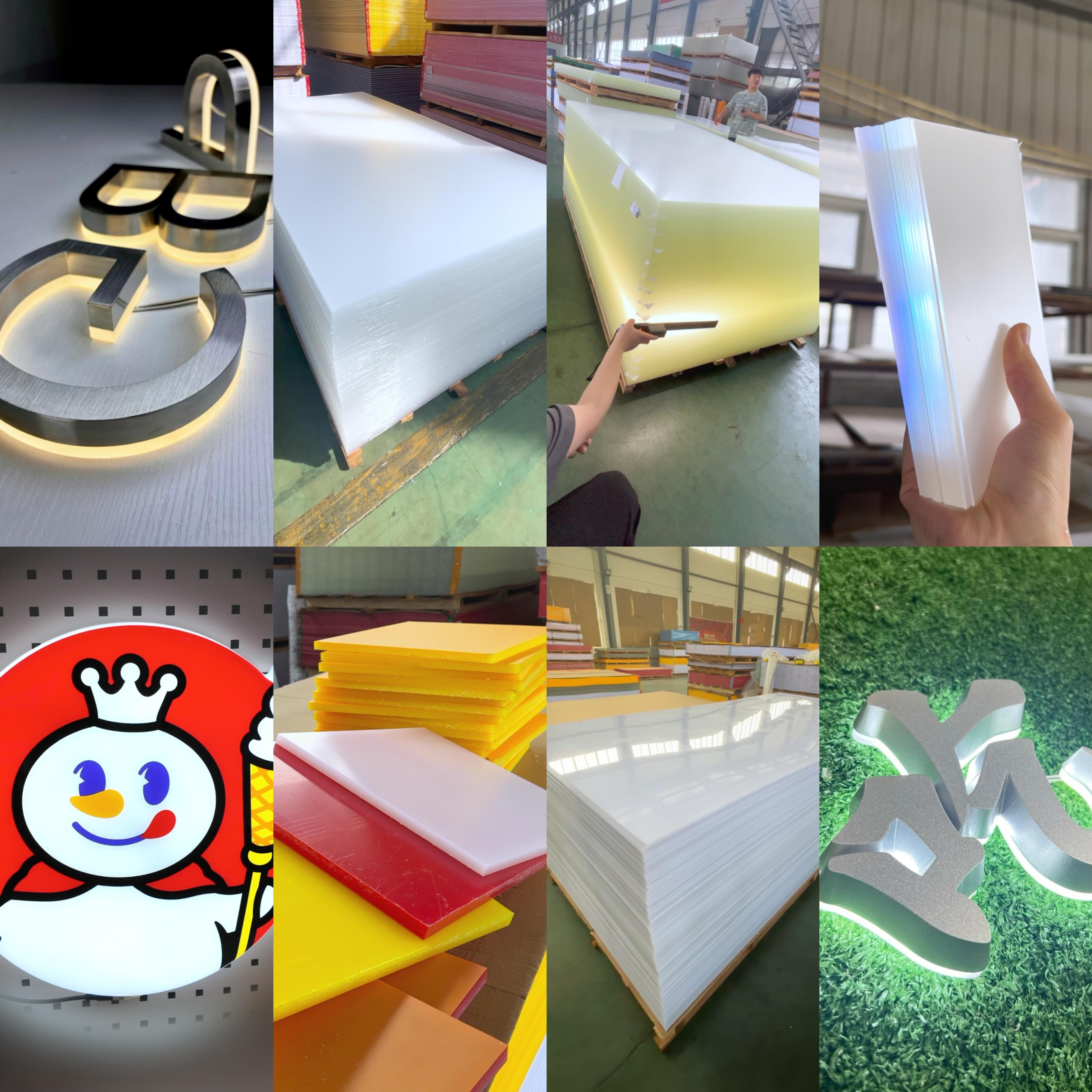
LED channel letter backing boards
Signboard substrates
Vacuum formed advertising letters
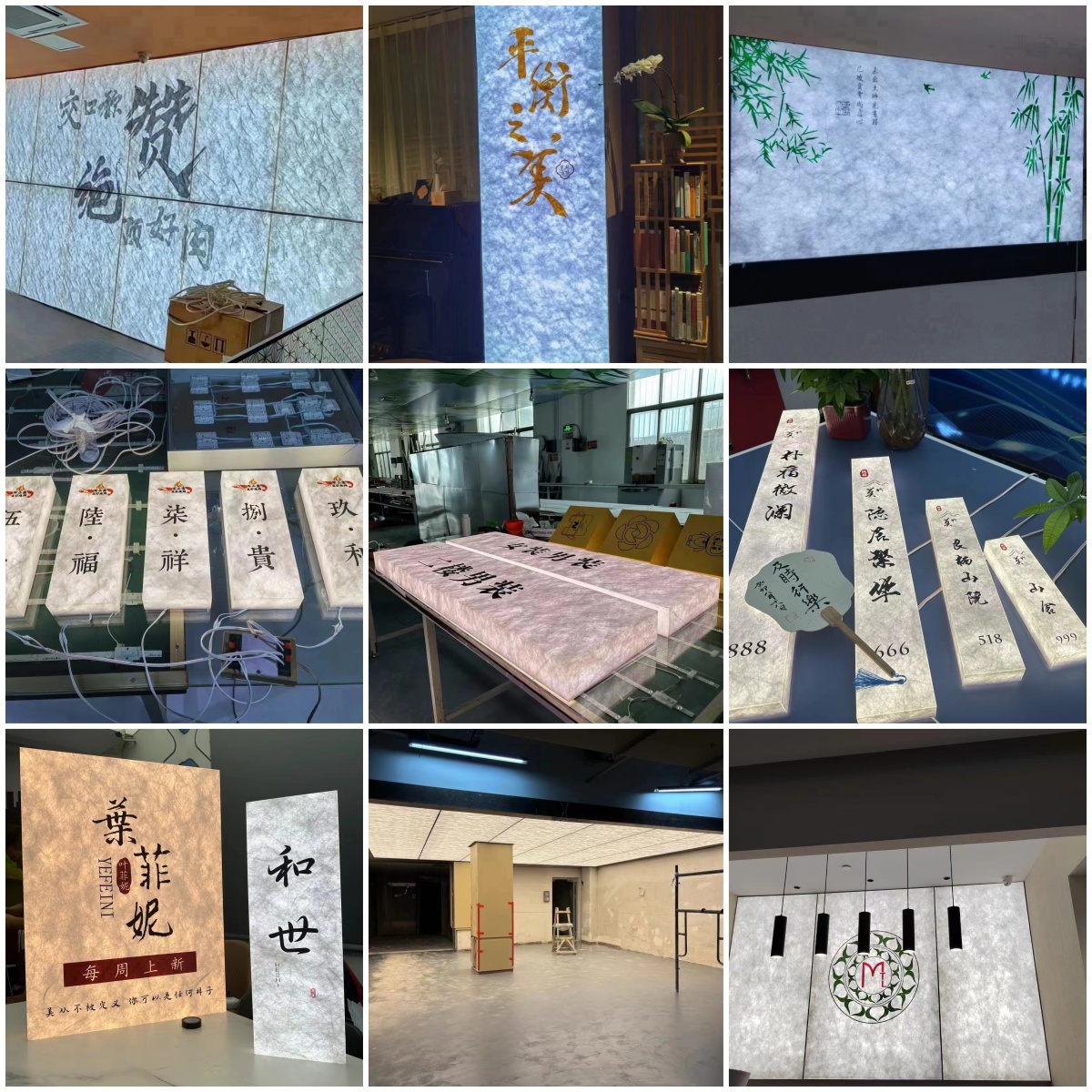
Illuminated signage
Display cabinets
Light box components
POS displays
Exhibition displays
Indoor advertising panels
Decorative wall panels
Commercial branding projects
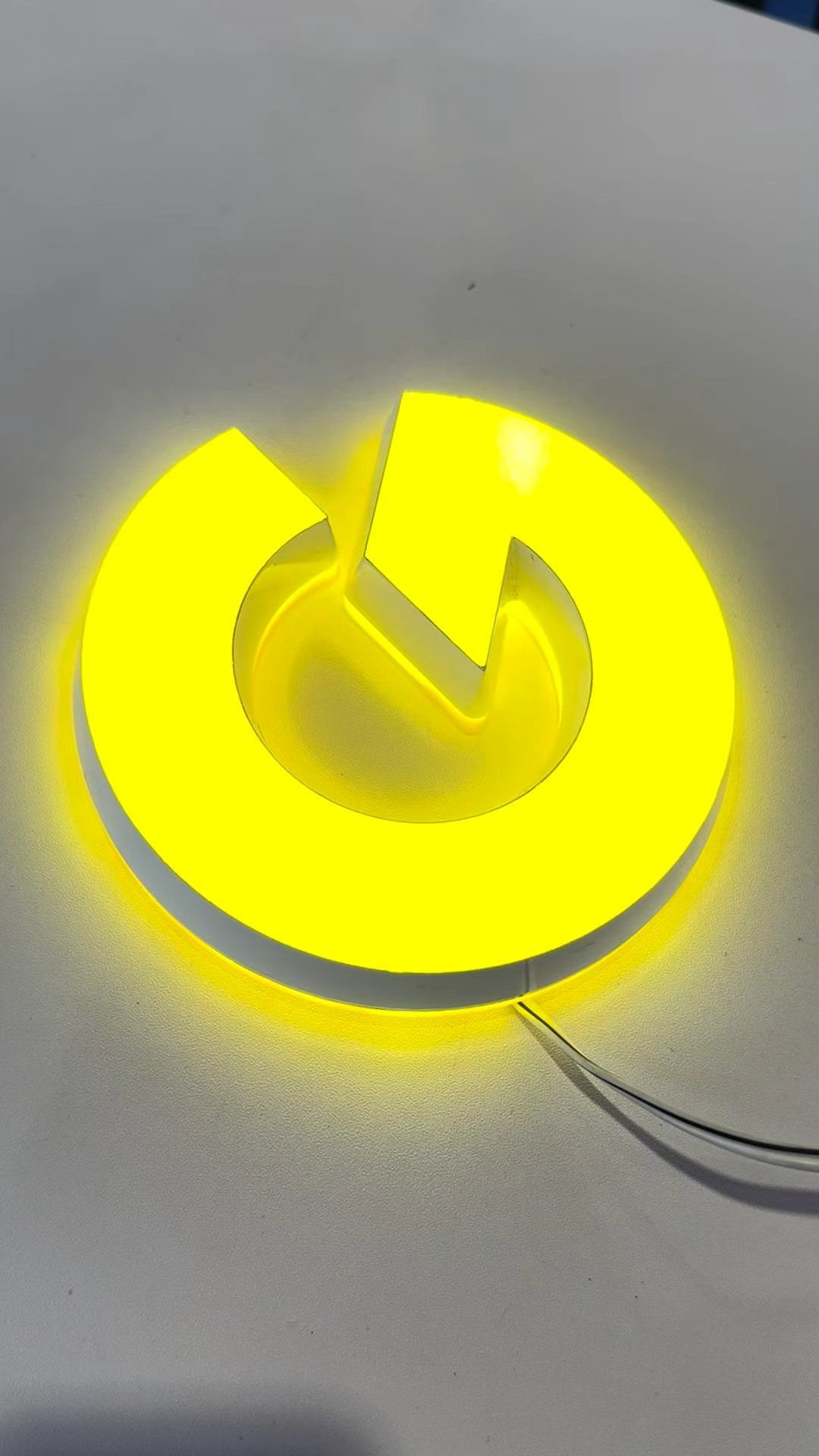
Why GPPS and HIPS are Popular in the Advertising Industry
Advertising manufacturers require materials that reduce production costs while improving efficiency.
GPPS and HIPS provide multiple advantages:
Easy Processing
Both materials support:
CNC routing
Laser cutting
Thermoforming
Vacuum forming
Hot bending
Printing
Laminating
Bonding
This flexibility significantly reduces manufacturing time.
Lightweight
Compared with glass or metal, GPPS and HIPS are much lighter.
Benefits include:
Easier transportation
Lower shipping costs
Faster installation
Reduced structural load
Excellent Surface Quality
Both materials provide smooth surfaces suitable for:
UV printing
Screen printing
Digital printing
Vinyl application
Protective film lamination
Cost-Effective
Compared with acrylic or polycarbonate, GPPS and HIPS generally offer lower material costs while meeting the needs of most indoor advertising applications.
Manufacturing Process of GPPS and HIPS Sheets
Modern production lines ensure consistent quality through several stages:
Raw material preparation
Mixing and drying
Extrusion
Multi-roll calendering
Cooling
Thickness calibration
Surface treatment
Protective film lamination
Quality inspection
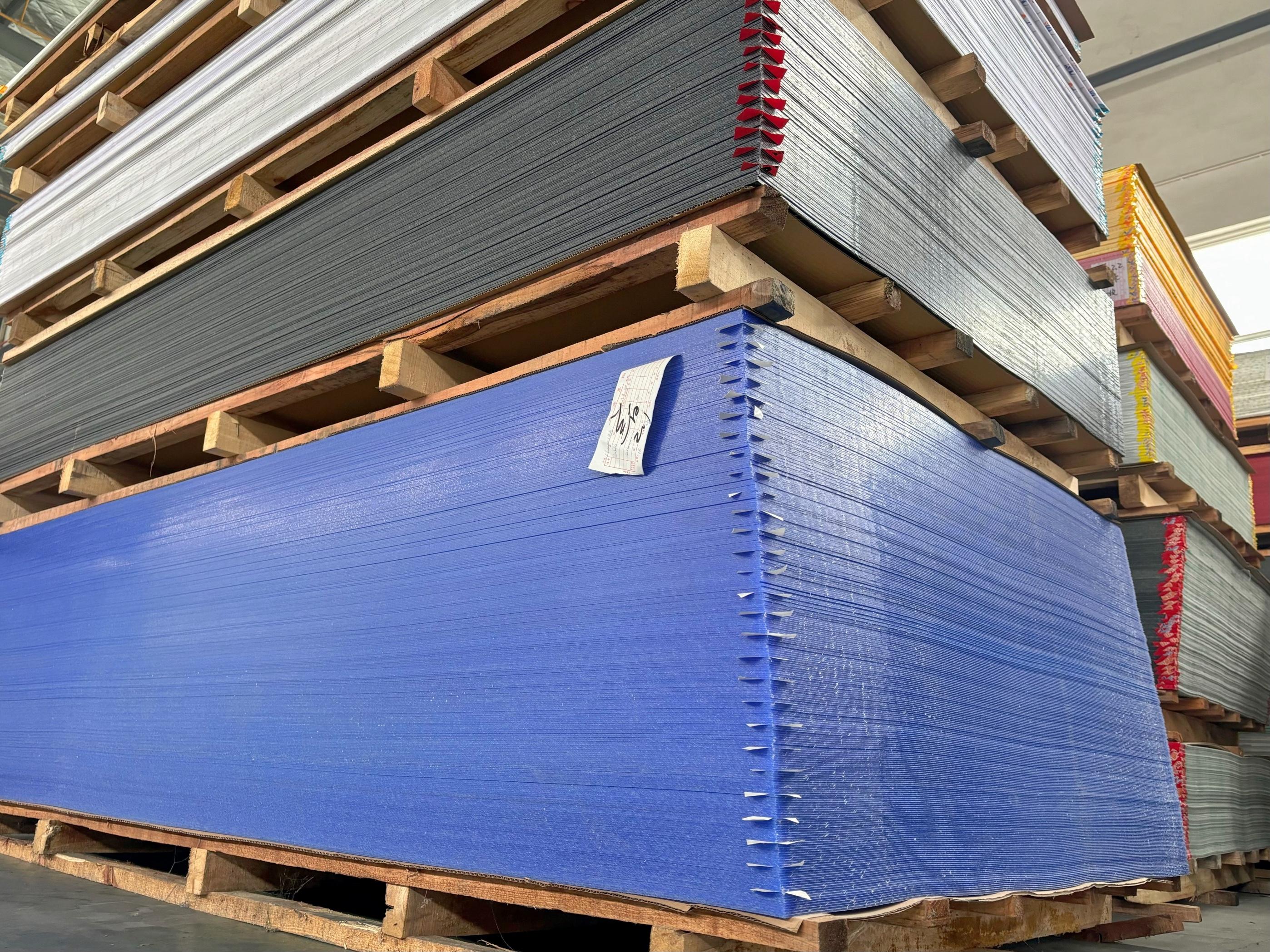
Packaging
High-quality extrusion equipment helps ensure:
Uniform thickness
Smooth surfaces
Stable dimensions
Excellent flatness
How to Choose Between GPPS and HIPS
Choose GPPS if you need:
Transparent materials
High gloss appearance
Optical clarity
Indoor display applications
Cost-effective transparent panels
Choose HIPS if you need:
Better impact resistance
Vacuum forming
Durable sign components
Advertising letter production
Light box structures
Commercial signage
Why Manufacturers Prefer HIPS for LED Signage
Many LED channel letter factories choose HIPS because it offers:
Better structural strength
Easier vacuum forming
Faster processing
Lower production cost
Excellent printing performance
Good bonding strength
Consistent quality
For illuminated advertising letters, HIPS often provides the best balance between cost and performance.
Future Trends of GPPS and HIPS
As the advertising industry continues to adopt digital fabrication technologies, demand for high-quality thermoplastic sheets is increasing.
Future developments include:
Recycled GPPS sheets
Recycled HIPS sheets
UV-resistant formulations
Flame-retardant grades
Anti-static surfaces
High-gloss decorative finishes
Eco-friendly manufacturing
Customized colors and textures
These innovations help manufacturers meet sustainability goals while maintaining excellent product performance.
Conclusion
Both GPPS and HIPS remain essential materials in modern advertising and signage manufacturing.
GPPS is the ideal solution for transparent, glossy, and visually appealing applications.
HIPS is preferred for durable, impact-resistant, and thermoformed advertising products.
By understanding their differences, businesses can select the most suitable material for LED channel letters, light boxes, signboards, retail displays, and commercial branding projects.
Whether you are a sign manufacturer, advertising company, distributor, wholesaler, or OEM supplier, choosing high-quality GPPS and HIPS sheets will improve production efficiency, product durability, and overall project performance.
FAQ
Q1: What is the difference between GPPS and HIPS?
GPPS is transparent with a glossy finish, making it ideal for display and optical applications. HIPS contains rubber modifiers, offering much higher impact resistance and making it better suited for signage, thermoforming, and durable advertising products.
Q2: Is HIPS better than GPPS for LED channel letters?
Yes. HIPS provides superior toughness, excellent vacuum-forming performance, and stronger impact resistance, making it one of the preferred materials for LED channel letter backing boards and illuminated signage.
Q3: Can GPPS and HIPS be UV printed?
Yes. Both materials have smooth surfaces that support UV printing, screen printing, digital printing, and vinyl graphics, making them widely used in advertising displays and sign manufacturing.
Q4: Are GPPS and HIPS recyclable?
Yes. Both are thermoplastic materials that can be recycled and reprocessed. Many manufacturers now offer recycled-content GPPS and HIPS sheets to support more sustainable production.
Q5: Which industries commonly use GPPS and HIPS sheets?
These materials are widely used in advertising signage, LED channel letters, light boxes, retail displays, exhibition booths, POP displays, interior decoration, packaging, and commercial branding projects.